ENERGY · HOUSEHOLD FINANCE
America’s winter-heating outlook has split by fuel: heating-oil households face the sharpest increase, while natural-gas and propane users may spend less and electric-heating households may pay slightly more.
The practical conclusion: do not plan around a national average. Identify the fuel that actually heats your home, compare the unit price and usage on last winter’s bills, and make assistance or efficiency decisions before the first sustained cold spell.
What happened
The U.S. Energy Information Administration’s October Short-Term Energy Outlook and 2026–27 Winter Fuels Outlook point to a highly uneven season for household heating costs. EIA expects homes using natural gas or propane as their primary space-heating fuel—together about half of U.S. households—to spend less on average than last winter. Homes heated mainly with electricity are expected to spend slightly more. Heating-oil households face the clearest pressure: EIA forecasts their winter fuel expenditures rising 21%.
That divergence matters because “the heating bill” is not one market. Natural gas, propane, heating oil and electricity have different supply chains, rate structures and regional exposure. A homeowner in New England who buys heating oil is reacting to global distillate markets and local delivery conditions. A gas customer is influenced by pipeline capacity, storage and regulated utility rates. An electric-heating customer pays for power generation plus transmission, distribution and other approved charges.
EIA’s base case is not a forecast of an unusually severe national winter. It assumes temperatures will be roughly similar to last winter and the previous ten-winter average. That makes the price difference especially important: the projected bill changes are not simply the product of a much colder season.
What the forecast contains
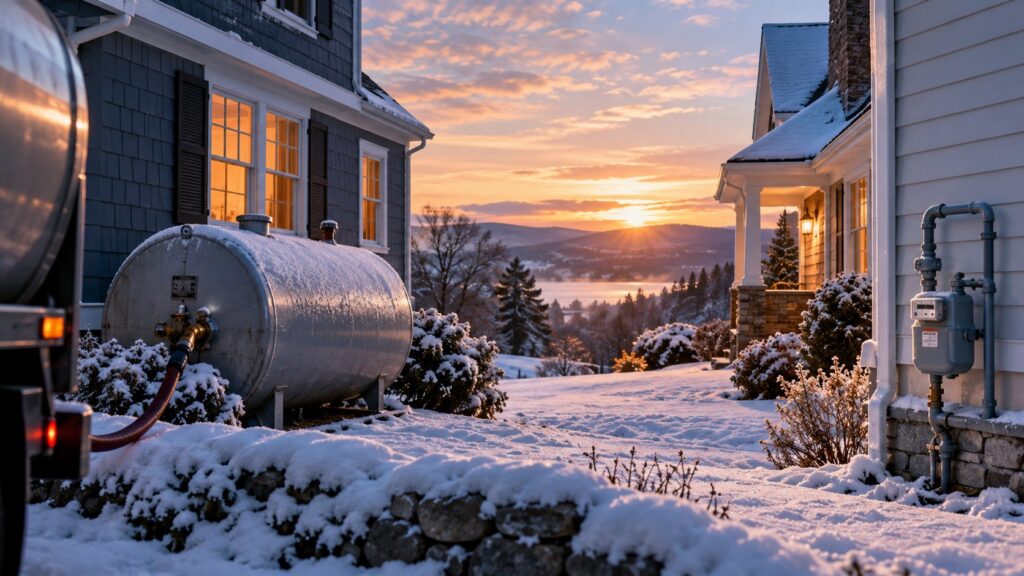
Heating oil is the outlier. EIA says households that primarily use it represent about 3% of U.S. homes and are concentrated mostly in the Northeast. The agency expects heating-oil prices to be more than 30% above last winter, while spending rises by a smaller 21% because its forecast assumes a milder Northeast winter. In other words, the weather assumption provides a partial offset, not a full shield.
Natural gas starts the season with a stronger supply buffer. EIA estimates working gas inventories reached 3,523 billion cubic feet at the end of September and forecasts 3,850 Bcf by the end of October—2% above the previous five-year average. Above-average storage can dampen price pressure under ordinary weather, although EIA explicitly notes that prolonged cold could drive withdrawals beyond its base case.
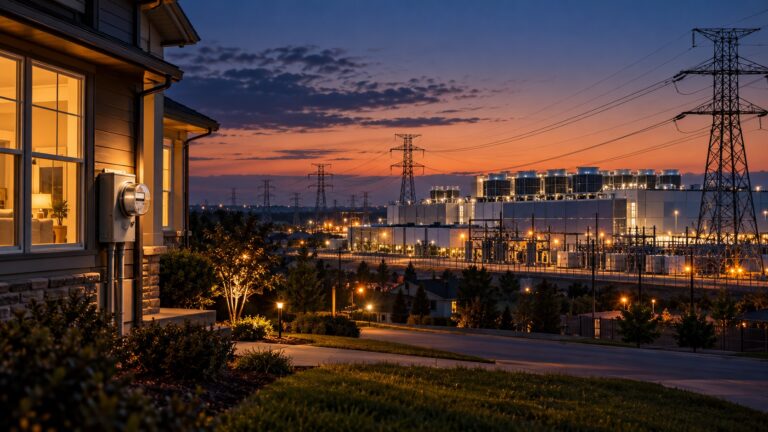
Electricity is more complicated. A home with a heat pump or electric resistance heating does not buy a separate winter fuel, but cold-weather use can rise sharply. Retail electricity prices also include more than the wholesale cost of power: transmission, distribution, capacity and other utility expenses are reflected through state-specific rate processes. A national expectation of “slightly more” therefore says little about the exact change on an individual utility bill.
Why it is happening
The heating-oil increase begins in the distillate market. EIA reported East Coast distillate inventories 32% below their five-year seasonal average in September. Its forecast keeps those inventories around 20% below the 2021–2025 average through the coming winter. Heating oil competes within the broader distillate complex, which also includes diesel, so tight global supply and refinery economics can reach household tanks even when local weather is moderate.
Natural gas tells a different story. Storage is above average, production is growing and EIA expects those factors to offset rising LNG exports and domestic demand in the base case. The buffer is meaningful, but it should not be mistaken for a guarantee. Gas prices can react quickly to prolonged cold, regional pipeline constraints or production interruptions.
Electric heating sits at the intersection of weather, power prices and the local tariff. Heat pumps can be efficient, particularly in moderate conditions, but their consumption rises when temperatures fall. Some homes also use resistance backup heat during colder periods. Whether that produces a modest or painful bill change depends on equipment, insulation, thermostat settings, the utility’s rate design and the severity of cold in that location.
Household Impact
Heating-oil households: Treat the 21% national spending forecast as a planning signal, not a personalized quote. Compare today’s delivered price with last year’s invoices, ask suppliers about minimum-delivery fees and contract terms, and avoid assuming that a quoted per-gallon price includes every charge. If the household normally buys several deliveries, cash-flow timing may matter as much as the seasonal total.
Natural-gas households: A lower national average does not mean every bill falls. Separate the commodity charge from delivery and fixed customer charges. Review whether the utility has a pending rate adjustment, and compare usage in therms—not just dollars—with the same months last year.
Electric-heating households: Identify whether the home uses a heat pump, resistance heat or a mixed system. Check for time-of-use pricing and demand charges where applicable. A thermostat adjustment that reduces peak-period consumption can be more valuable under some rate plans than the same energy saving at another hour.
Key Numbers
- +21%: EIA’s forecast increase in average winter heating-oil expenditures.
- More than +30%: the projected heating-oil price increase from last winter.
- About 3%: the share of U.S. households primarily heated with oil.
- 3,850 Bcf: forecast U.S. natural-gas inventory at the end of October.
- 2% above average: forecast gas storage relative to the five-year average at the start of the heating season.
Scenario Map
Base case: Temperatures remain near recent norms. Gas and propane households spend less on average, electricity users spend slightly more, and heating-oil households absorb the largest increase.
Cold-spell case: A prolonged regional freeze increases consumption quickly. Natural-gas withdrawals accelerate, power demand rises and heating-oil deliveries tighten. The greatest household risk is not necessarily the full-season average but a concentrated stretch of high usage and high prices.
Milder-winter case: Lower consumption offsets part of the fuel-price increase. Heating-oil users may still pay more per gallon but purchase fewer gallons. Gas and electric customers benefit mainly through reduced usage rather than a sudden change in regulated rates.
Risk Matrix
Highest price risk: heating oil in the Northeast, because the forecast combines a large price increase with below-normal regional distillate inventories.
Highest weather sensitivity: poorly insulated homes and households using electric resistance heat or older equipment. Usage can amplify even a modest unit-price change.
Highest cash-flow risk: households that depend on large fuel deliveries or enter winter with unpaid utility balances. Timing problems can appear before total seasonal spending is known.
What to Watch
- EIA’s October 2026 Short-Term Energy Outlook for fuel prices, inventories and weather assumptions.
- NOAA Climate Prediction Center seasonal outlooks for changes in temperature probabilities.
- The federal LIHEAP program page for state and local energy-assistance information.
- Your utility commission, utility tariff and fuel supplier for actual local rates, surcharges and contract terms.
Action Checklist
- Find last winter’s bills and record fuel usage separately from the amount paid.
- Confirm the unit price: dollars per gallon, therm or kilowatthour.
- Inspect fixed, delivery, capacity and service charges that will remain even if usage falls.
- Schedule equipment service and replace filters before sustained cold begins.
- Seal obvious air leaks and review the Weatherization Assistance Program if income-eligible.
- Contact assistance programs early; eligibility, documentation and local funding can vary.
Choose Our Next Deep Dive
Request: Heating Bill Calculator
Request: Winter Assistance Guide
Ask the Analyst
Tell us your heating fuel, state and the bill question you want analyzed. Reply to the analyst.
Sources & Methodology
Disclaimer: This article provides general information, not individualized financial, energy-contract or legal advice. Forecasts can change with weather, supply conditions and policy decisions.