
FEDERAL RESERVE & HOUSEHOLD FINANCE
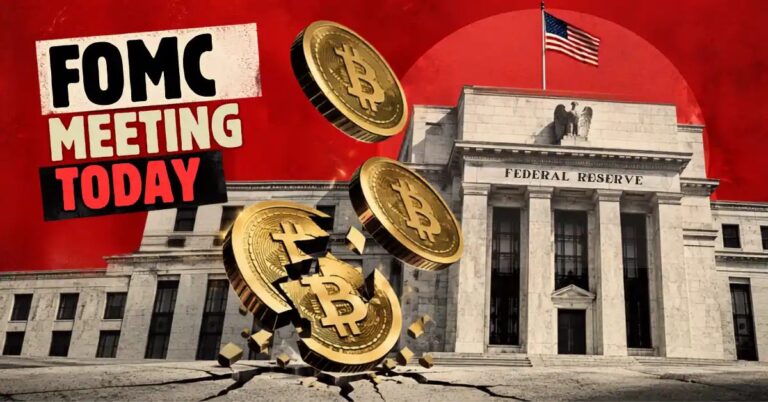
The Federal Reserve raised its benchmark interest-rate range by a quarter percentage point on September 16, the first increase since 2023. The unanimous decision moved the federal funds target to 3.75%–4.00% and took effect today. For households, the practical message is not that every loan rate will immediately rise by exactly 0.25 percentage point. It is that the direction of short-term borrowing costs has changed, while savers may gain leverage to demand better yields.
The practical conclusion: borrowers should review variable-rate debt before the next statement arrives, and savers should compare what their bank is paying rather than assuming higher policy rates will automatically reach their accounts. Mortgage rates, auto loans and long-term Treasury yields are influenced by more than one Fed decision, so today’s move is a signal—not a universal price reset.
What Happened
The Federal Open Market Committee voted 12–0 to raise the federal funds target range by 0.25 percentage point to 3.75%–4.00%. The Fed said economic activity was expanding at a solid pace, domestic spending remained resilient, productivity growth was strong and capital investment was robust. It also said inflation remained elevated and described the increase as support for a timelier return to its 2% goal.
The implementation note shows how the decision moves from a statement into the financial system. Effective September 17, the interest rate paid on reserve balances rose to 3.90%, the standing overnight repurchase rate rose to 4.00%, the overnight reverse-repurchase offering rate became 3.75%, and the primary credit rate rose to 4.00%.
This does not mean a consumer can borrow at the federal funds rate. That rate governs overnight transactions in the banking system and influences other short-term rates. Banks and lenders add funding costs, credit risk, operating expenses and profit margins when setting consumer prices.
What the New Projections Say
The Fed’s September Summary of Economic Projections provides important context. The median participant projected real GDP growth of 2.3% in 2026, unemployment of 4.1%, PCE inflation of 3.7% and core PCE inflation of 3.4%. Those are individual policymakers’ projections under their assessments of appropriate policy—not promises or a committee forecast.
The median projected federal funds rate was 4.1% at the end of 2026, up from 3.8% in the June projections. Because the new target range has a 3.875% midpoint, a 4.1% year-end median is consistent with the possibility of another quarter-point increase if the data evolve as participants expect. It does not guarantee another hike: actual policy depends on incoming inflation, employment, growth and financial conditions.
The projection table also shows the limits of precision. For 2026, participants’ rate estimates ranged from 3.9% to 4.4%, while PCE-inflation projections ranged from 2.9% to 3.8%. The Fed’s historical-error table shows wide uncertainty around forecasts. The right way to use the projections is as a map of policymakers’ current thinking, not a fixed schedule.
Why the Fed Raised Rates
The decision reflects an economy the Fed views as strong enough to absorb somewhat tighter financial conditions while inflation remains above target. August CPI rose 3.4% from a year earlier, and the Fed’s preferred PCE measure was projected to rise 3.7% over 2026. At the same time, policymakers lowered their median 2026 unemployment projection to 4.1% from 4.3% in June and raised the median GDP-growth projection to 2.3% from 2.2%.
That combination—firmer growth, a steadier labor market and elevated inflation—reduces the case for leaving short-term rates unchanged. The Fed is attempting to restrain demand enough to slow price increases without causing unnecessary damage to employment. Whether that balance succeeds cannot be known from one meeting.
Household Impact
Credit cards are the most immediate place to check. Many card agreements use a variable annual percentage rate tied to a benchmark such as the prime rate. The exact timing and formula are governed by the card agreement. A quarter-point increase on a $10,000 balance, if fully passed through and held for a year, is roughly $25 in additional annual interest before compounding. The larger risk is not that isolated amount but carrying a high balance at an already-high APR for many months.
Home-equity lines of credit and some private student loans may also use variable rates. Borrowers should read the index, margin, reset frequency, caps and payment rules in their contracts. Fixed-rate mortgages and fixed-rate auto loans already in place do not change because of this meeting. New mortgage and auto rates can move, but they also reflect longer-term Treasury yields, credit conditions, competition and borrower characteristics.
Savers may benefit, but banks are not required to raise deposit yields in lockstep. Treasury bills, money-market funds, certificates of deposit and high-yield savings accounts can react differently and carry different liquidity, insurance and price risks. Compare annual percentage yield, minimum balances, early-withdrawal penalties and federal deposit-insurance coverage before moving cash.
Business, Manufacturing and Market Impact
For businesses, a higher policy rate can raise the cost of revolving credit, floating-rate loans and short-term funding. Companies with strong cash flow and fixed-rate debt are less exposed than highly leveraged firms that must refinance soon. Small businesses should stress-test debt service under one more quarter-point increase rather than assuming September marks the peak.
Manufacturers face a mixed picture. The Fed described capital investment as robust, which supports equipment, construction and technology demand. But higher financing costs can delay marginal projects and inventory expansion. Managers should separate projects with confirmed customer demand from those that only work under cheaper credit.
Markets can react through several channels at once. Higher short-term rates may support the dollar and cash yields while pressuring rate-sensitive stocks and bonds. Yet long-term yields can fall if investors believe tighter policy will control inflation, or rise if they focus on persistent price pressure and strong growth. The first-day market move is not a reliable forecast of the full economic effect.
Key Numbers
- 3.75%–4.00%: the new federal funds target range.
- 12–0: the FOMC vote approving the increase.
- 3.90%: the interest rate paid on reserve balances, effective September 17.
- 4.1%: the median projected federal funds rate at the end of 2026.
- 3.7%: the median 2026 PCE-inflation projection.
Scenario Map
Inflation cools with growth intact: the Fed pauses after this move or one further increase. Short-term rates remain elevated, but the need for repeated hikes fades.
Inflation stays sticky: another increase becomes more likely, variable-rate borrowers face additional pressure and savings yields may remain competitive.
Growth weakens abruptly: policymakers reassess the path, but borrowers should not treat a future cut as guaranteed or immediate. These are conditional scenarios, not predictions.
Winners and Losers
Potential beneficiaries: disciplined savers who shop for competitive yields, banks with favorable deposit funding, and businesses with cash reserves or long-dated fixed-rate debt.
Potential pressure points: households carrying revolving card balances, borrowers with frequent variable-rate resets, small firms dependent on floating-rate credit and companies needing near-term refinancing.
What to Watch
- Federal Reserve meeting calendar and documents for the October 27–28 meeting.
- September Summary of Economic Projections for the rate, inflation, growth and unemployment ranges.
- BEA PCE price index for the Fed’s preferred inflation measure.
- BLS Consumer Price Index for household inflation.
- Federal Reserve H.15 rates for Treasury and money-market benchmarks.
Action Checklist
- List every variable-rate balance, its index, margin and next reset date.
- Estimate the payment impact of another 0.25 percentage-point increase.
- Prioritize expensive revolving balances before chasing incremental investment returns.
- Compare savings APYs, withdrawal rules and deposit-insurance coverage.
- Do not refinance a fixed-rate loan solely because of one Fed headline; compare total costs.
Choose Our Next Deep Dive
Credit Card Rate Audit | Home Equity Loan Questions | Savings Yield Checklist
Ask the Analyst
Reply with your question about borrowing, saving or the Fed.
Sources & Methodology
Primary sources are the September 16 FOMC statement, the implementation note, the Summary of Economic Projections, the August CPI release and the CFPB’s credit-card terms guide. The $25 illustration is simple interest: $10,000 multiplied by 0.25%, assuming a full pass-through for one year; actual card interest depends on the agreement, balance timing, compounding and payments.
Disclosure: Published decisions, dates and projection figures are sourced facts. Household, business and market implications are editorial analysis. Scenario sections are conditional and not forecasts. This article provides general information and is not financial, investment, tax or legal advice.